Jan 29, 2026
Trekking: Everything You Need to Know Before You Go
Trek Information
Trekking: Everything You Need to Know Before You Go
Trekking is one of the best ways to explore nature, challenge yourself physically, and experience new cultures. Here’s a simple and informative guide to help you understand what trekking is, why people love it, and how to prepare for it.
What is Trekking?
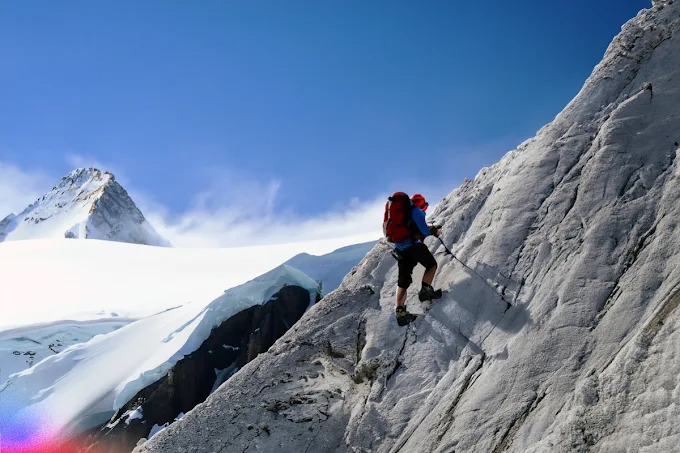
Trekking is a long-distance journey on foot, usually through natural environments like mountains, forests, valleys, and remote villages. Unlike short hikes, trekking often takes multiple days and involves walking for several hours each day.
People go trekking not just for exercise, but for adventure, scenery, cultural experiences, and personal challenge.
Why Do People Go Trekking?
Trekking offers a combination of physical activity, mental refreshment, and travel experience all in one.
? To Experience Nature Up Close
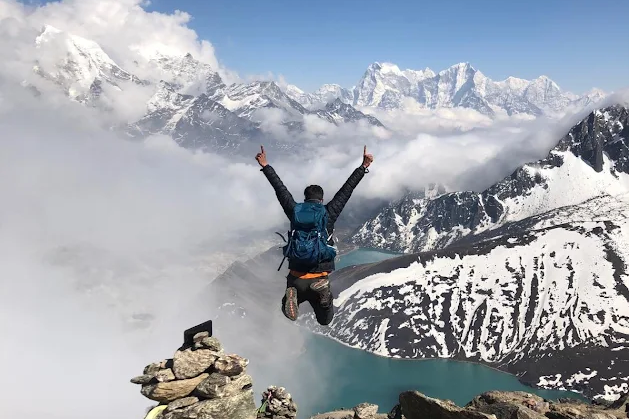
Trekking takes you away from cities and into places where roads don’t reach. You get to see mountains, rivers, forests, waterfalls, and wildlife in their natural setting.
? To Refresh the Mind
Being in nature helps reduce stress and mental fatigue. The quiet environment, fresh air, and slower pace of life allow your mind to relax.
? For Physical Fitness
Walking several hours a day improves heart health, stamina, muscle strength, and overall endurance.
? To Explore Local Culture
Many trekking routes pass through villages where you can experience local traditions, food, language, and lifestyle. It’s a cultural journey as much as a physical one.
Types of Trekking
Not all treks are the same. They can be grouped based on difficulty and location.
? Easy Treks
Suitable for beginners. These routes have gentle trails and lower altitudes. No technical climbing skills are needed.
? Moderate Treks
Require good fitness. Trails may be steeper, and you may reach higher altitudes. Some trekking experience is helpful.
? Challenging Treks
Long walking days, high altitude, and tough terrain. These treks need strong physical fitness and sometimes previous trekking experience.
Essential Things You Need for Trekking
Preparation is very important for a safe and enjoyable trek.
? Basic Gear
Comfortable trekking boots
Backpack
Warm clothes (layering is key)
Rain jacket
Water bottle
Sunglasses and hat
? Health & Safety
First aid kit
Personal medicines
Sunscreen
Water purification tablets or filter
? Important Planning
Research the route and difficulty
Check weather conditions
Arrange permits if required
Hire a guide or porter if needed
Best Time for Trekking
The ideal trekking season depends on the region, but generally:
Spring (March–May): Clear skies, blooming flowers, moderate temperatures
Autumn (September–November): Stable weather, great mountain views
These seasons offer the safest and most comfortable trekking conditions in many mountain regions.
Safety Tips for Trekking
Safety should always come first.
Walk at a comfortable pace
Stay hydrated
Do not ignore altitude sickness symptoms
Follow your guide’s instructions
Respect local culture and nature
Never trek alone in remote areas without proper knowledge
Environmental Responsibility
Trekking comes with responsibility. Natural areas are fragile.
✔ Carry your trash back
✔ Avoid plastic waste
✔ Stay on marked trails
✔ Respect wildlife
✔ Support local communities
Responsible trekking helps preserve these beautiful places for future generations.
Final Thoughts
Trekking is more than just walking in the mountains. It’s an adventure that connects you with nature, challenges your limits, and introduces you to new cultures and experiences.
With the right preparation and mindset, trekking can become one of the most rewarding journeys of your life.
So lace up your boots — the trail is waiting. ??